
Law Office of Michael J. Tremoulis | July 9, 2025 | Personal Injury
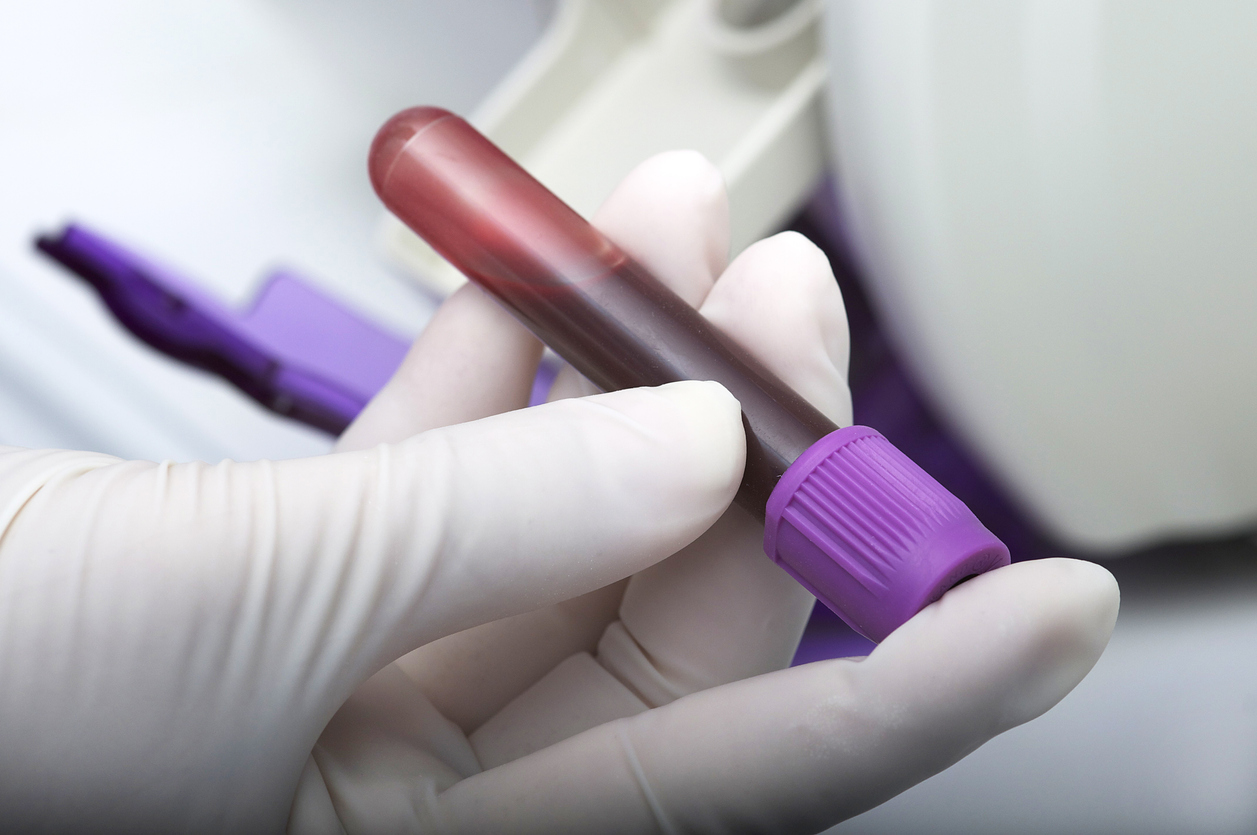
Exsanguination means extreme blood loss. Without immediate medical action, this condition often ends in death. Blood carries oxygen and nutrients through the body. Once the volume drops too low, organs fail. Accidents, surgery, or internal injuries often lead to rapid blood loss.
This condition often stems from arterial damage or internal bleeding. When the body loses too much blood, oxygen no longer reaches key organs. That failure shuts down systems, starting with the brain and heart.
A person does not need to lose all their blood for exsanguination to occur. Loss of even 30% can trigger shock, collapse, and death. Arteries, veins, and organs can leak blood due to impact trauma or medical complications. Once the pressure drops, the body enters crisis mode. Without fast treatment, exsanguination leads to permanent harm or death.
Signs of Severe Blood Loss
Severe blood loss shows up quickly. Common signs include a fast heartbeat, pale skin, shallow breathing, and confusion. The body may sweat, feel cold, or show signs of shock.
Speech may slow. Eyes may glaze over. These signs reflect a drop in blood pressure and oxygen delivery.
Loss of blood also causes weakness and dizziness. Some people faint. Others struggle to focus. When the brain lacks oxygen, mental function breaks down.
In severe cases, a person may stop responding altogether. Without fast help, these signs progress to death within minutes.
Common Causes of Exsanguination
Blunt force or penetrating trauma often causes exsanguination. Crashes, falls, or workplace injuries lead to broken blood vessels. Sharp metal, glass, or machinery may slice through arteries. Bones may crush organs and release blood internally.
Vehicle crashes remain the most common cause. High-speed collisions often damage the chest, abdomen, or limbs. Gunshots or stab wounds also lead to heavy bleeding. Even a deep cut on the leg or arm may hit an artery. If the bleeding does not stop fast, blood drains too quickly for the body to recover.
Time Matters in These Cases
Survival depends on timing. Blood loss kills faster than most injuries. Doctors refer to the “golden hour” after trauma. That first hour offers the highest chance of survival.
Every minute without treatment causes more damage. When delays occur, oxygen-starved organs begin to shut down.
Brain cells die. The heart weakens. If doctors act fast, they can save both life and function. If not, the results turn permanent.
Legal Action After Fatal Injuries
When someone dies due to blood loss caused by negligence, the family may pursue legal action. That path often includes a wrongful death claim. These cases require proof that another party caused or contributed to the loss.
Common defendants include drivers, employers, property owners, or medical professionals. A lawyer must show how an unsafe act or failure led to the fatal injury. Medical records, witness statements, and expert opinions often help build the case. Wrongful death suits seek payment for lost income, medical bills, funeral costs, and emotional loss.
Contact the Lima Personal Injury Lawyer of the Law Office of Michael J. Tremoulis for Help Today
If you lost a loved one after an accident or medical mistake, speak with a lawyer who handles personal injury and wrongful death cases. We understand how these cases unfold and what evidence matters most. We investigate causes, gather expert reports, and guide families through complex legal procedures. You need answers. We can explain your rights and what steps to take next. We act quickly to protect evidence, contact witnesses, and pursue justice.
If you were injured in an accident in Lima, and need legal help, contact our personal injury lawyer at the Law Office of Michael J. Tremoulis to schedule a free case review today.
We proudly serve Allen County and the surrounding areas.
Law Office of Michael J. Tremoulis Lima
540 W Market St
Lima, OH 45801
(419) 404-4444